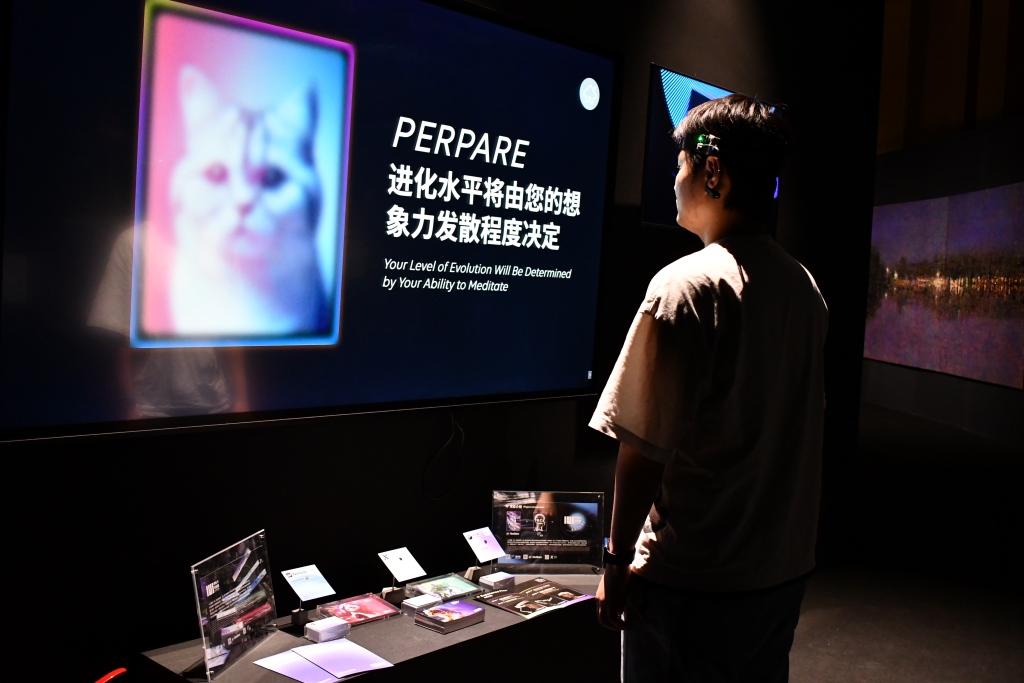
The Paper learned that the "2025 Tsinghua University Art Museum - Art and Technology Week," recently held at Tsinghua University, is themed "The Value of Learning" and aims to explore the topic of cognitive transformation in the era of human-machine symbiosis through interdisciplinary dialogue. Over the course of a week, two themed exhibitions, "The Garden of Forking Paths" and "Mirror World: Machines, Algorithms, and Spirit," will be presented. In addition, 20 academic events will bring together scholars, designers, artists, and scientists from home and abroad for dialogue.
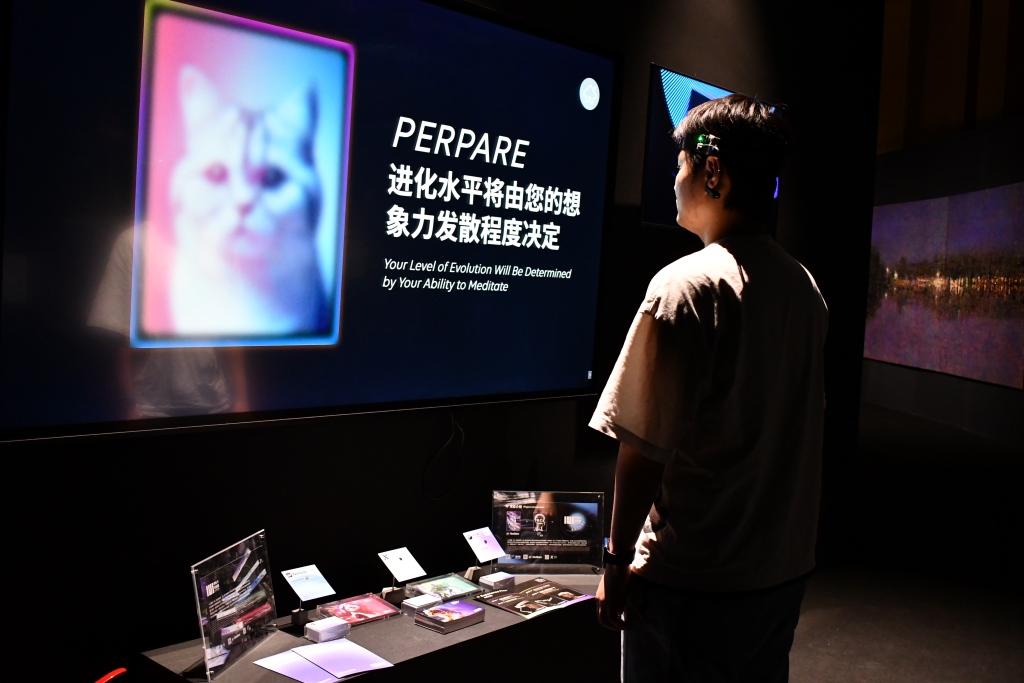
IUI Imagination Controller
A garden with forking paths: art and technology, simultaneously pointing to "how humanity exists".
The exhibition "The Garden of Forking Paths" starts from the intertextual relationship between art, science and humanity, and presents how different paths of knowledge converge in the depths of civilization. The relationship between art, science and humanity is like the intersecting paths in a garden, each growing according to its own unique logic, yet intertwining and echoing at the root of existence, jointly constructing the spiritual territory of human beings to understand the world and confirm themselves.
Art is a secluded path in a garden paved with sensibility and imagination. Using symbols, colors, and melodies as its medium, it captures life experiences that cannot be completely deconstructed by reason: from the awe of nature in cave paintings to the existential dilemmas questioned by modern installation art, art has always carved out territory between the "speakable" and the "unspeakable," distilling human emotions, intuition, and sensibility into a perceptible civilization.
Edge of Dreams+
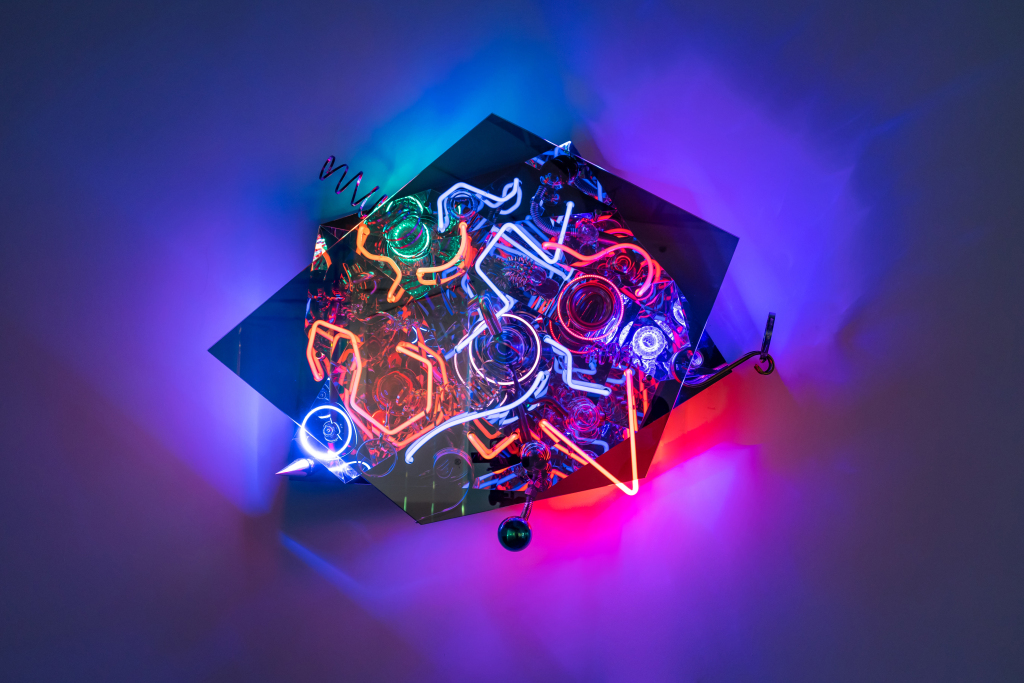
"landscape"
The works on site capture this intuition and sensibility, not seeking a single answer, but opening up possibilities with diverse expressions, just as forking paths give travelers the right to wander freely.
Science, guided by logic, data, and laws, constantly builds bridges between the "unknown" and the "known," transforming human cognition, exploration, and creation into practical forces for changing the world. While pursuing certainty and universality, science, in its continuous pushing of cognitive boundaries, encounters ultimate questions similar to those of art—the origin of existence, the essence of consciousness, and the ultimate destination of civilization. These questions cause the paths of science and the secluded lanes of art to unexpectedly meet deep within the garden.
Art and technology are two complementary ways for humans to understand the world. Art uses "poetic logic" to examine the human spiritual existence, while science uses "rational logic" to examine the human physical existence. The two are like intersecting paths in a garden, ultimately pointing to the ultimate question of "how humans exist".
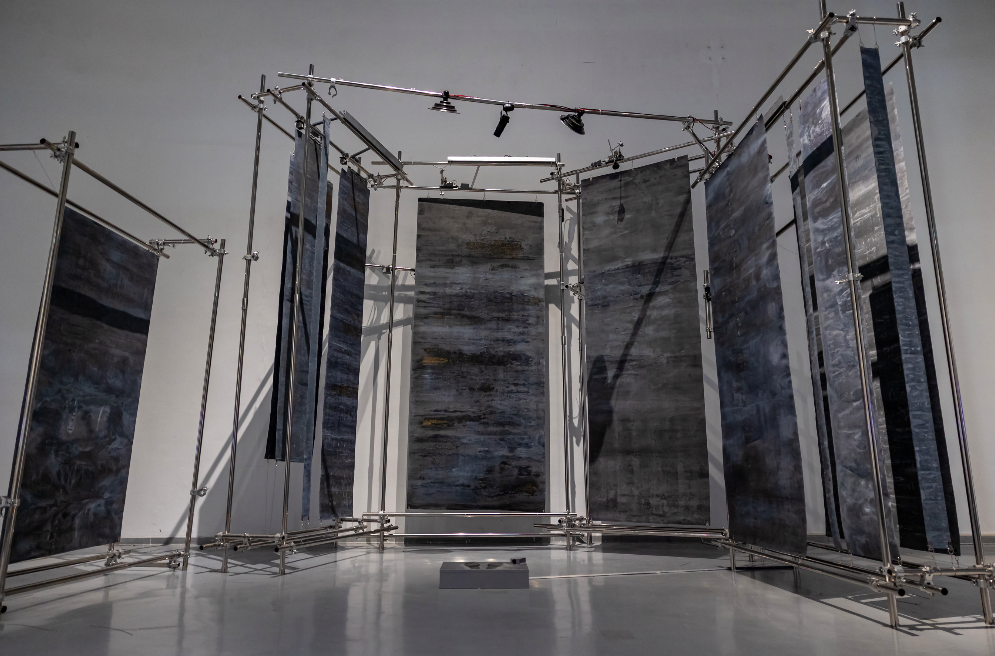
"gust"
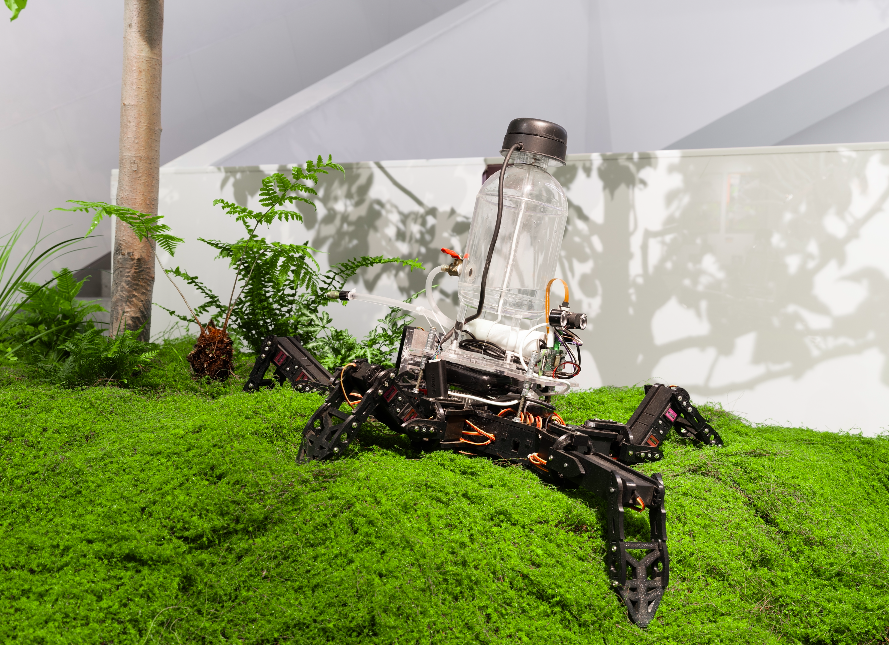
The Symbiotic Web
Mirror World: Machines, Algorithms, and Aura
"Mirror World: Machines, Algorithms, and Aura" takes the artist's experimentation and the generative capacity of technology as its starting point, and explores where the aura of art comes from and where it will go in a reality where algorithms and intelligent technologies are expanding.
In an era of rapid technological advancement, we are returning to an age-old question: What is "human"? The emergence of artificial intelligence has both re-illuminated and re-questioned art. Algorithms are no longer merely tools for calculation; they learn, generate, judge, and even mimic human feelings and creations. When we confront it, we are both gazing upon a future other and reflecting back on our own image.
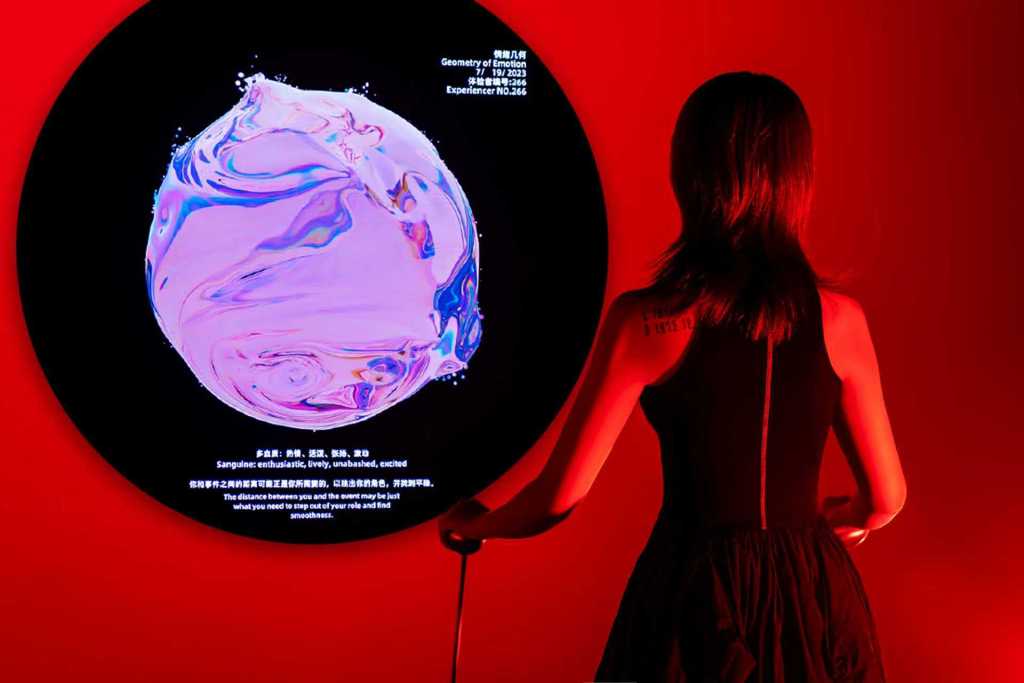
The Geometry of Emotions
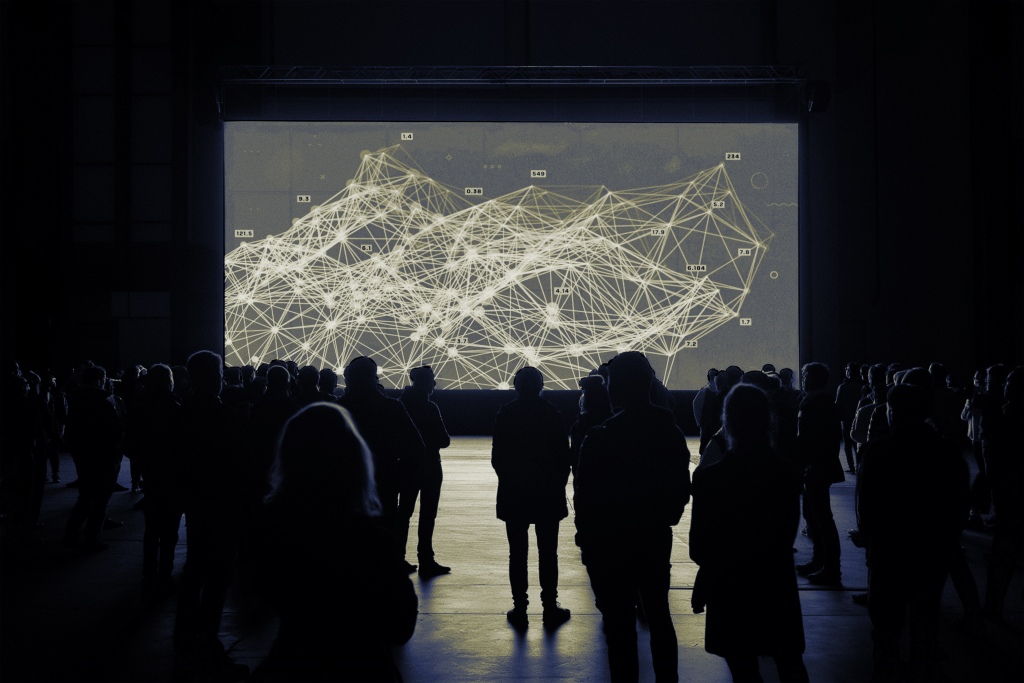
While watching
The "Mirror World" exhibition aims to explore the possibilities of human-machine symbiosis through the experiments and reflections of artists: when algorithms generate images, when machine learning styles, and when data becomes tangible and emotional, how should we understand the boundaries and meaning of "art"? The works in the exhibition involve multiple dimensions, including AI painting, generated video, interactive installations, and neural network music. Some use human emotions as input to generate unknown forms; some allow viewers' actions to become part of the artwork through real-time interaction; and others reconstruct nature, memory, and dreams from a machine's perspective. These practices make us realize that technology is not the end point of art, but rather its new beginning.
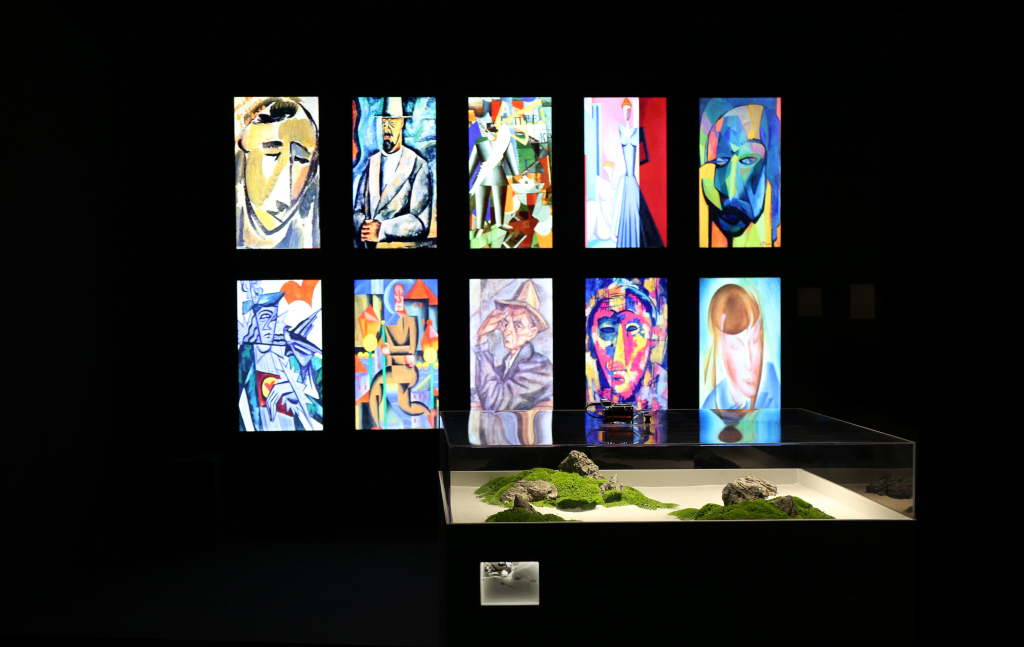
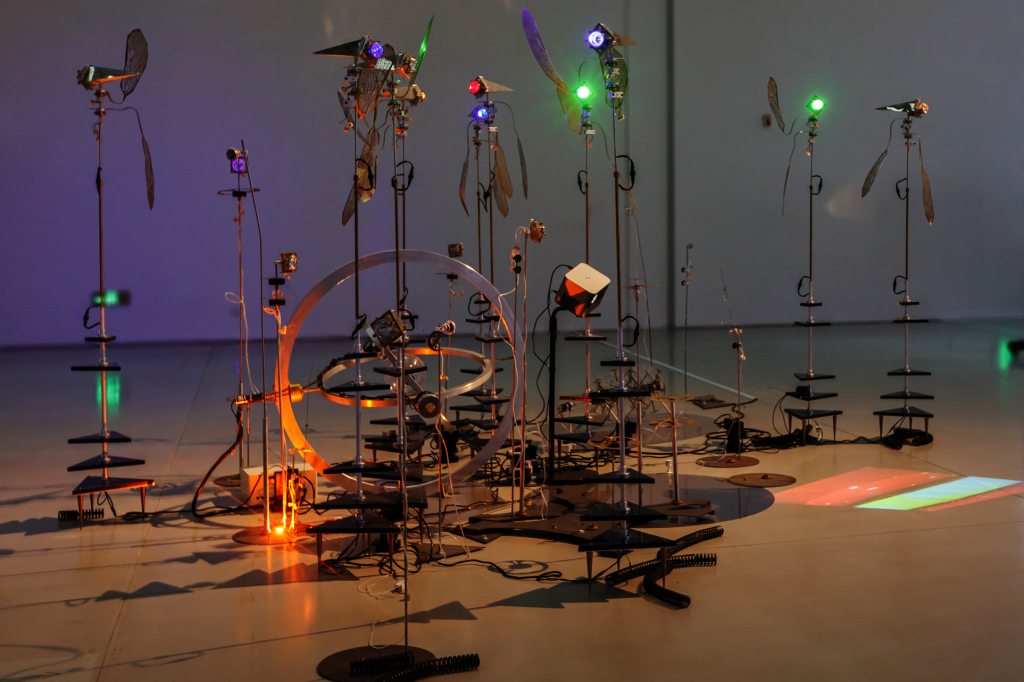
In the Ant Swarm
The works in the exhibition also point to the same question—is the essence of creation inspiration or algorithm? Does art still possess its irreplaceable "spirit" in an era of mechanical reproduction?
"Aura" was once a uniquely divine quality in art. Today, in a world of digital reproduction and algorithmic simulation, it seems to have vanished. But perhaps "Aura" hasn't disappeared, but rather migrated—a new "Aura" is being ignited the moment the viewer interacts with the artwork: it comes from the computation of algorithms, and also from humanity's wonder at the unknown. Machines, algorithms, and Aura are not opposing forces, but rather multiple ways of breathing in contemporary civilization. They intertwine and collide, forming a new art ecosystem.
Lu Xiaobo, director of the Tsinghua University Art Museum, explained the theme of this year's Art and Technology Week: "Learning is no longer just the accumulation of knowledge or the updating of skills, but a dynamic relationship that unfolds continuously between people and the world, people and technology, and people and culture. It is about reaffirming subjectivity and about how to confirm the fundamental question of 'what it means to be human' in the process of civilization driven by algorithms. Therefore, we have chosen 'The Value of Learning' as the overall theme of this year's Art and Technology Week, hoping to initiate a dialogue of civilizations in a field where multiple disciplines converge."
As artificial intelligence profoundly reshapes the world's structure, humanity is more than ever forced to look back at itself—to re-examine our subjectivity, creativity, and the meaning of our existence. Machines continuously learn, generate, and iterate, seemingly approaching the boundaries of surpassing their creators. But what truly concerns humanity's future is not just technological capability, but how we rediscover the meaning of 'learning' and maintain intellectual creativity and depth in a rapidly changing era.
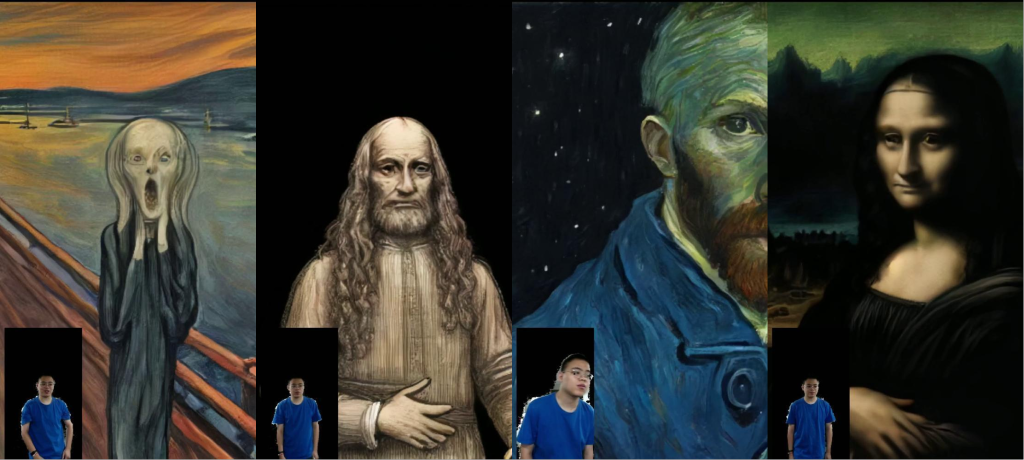
Artistic Representation