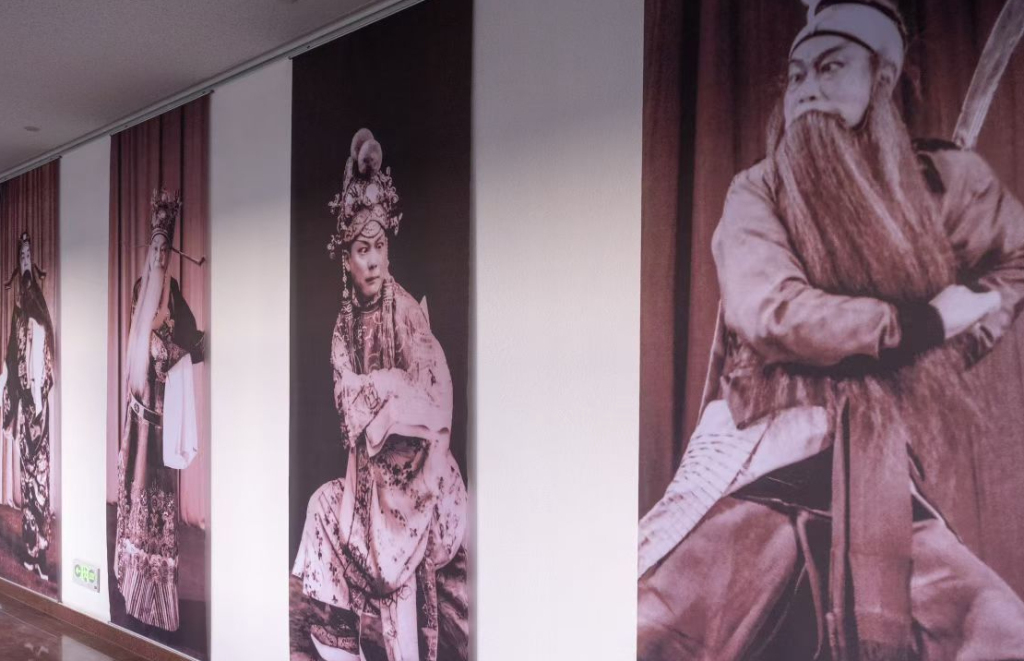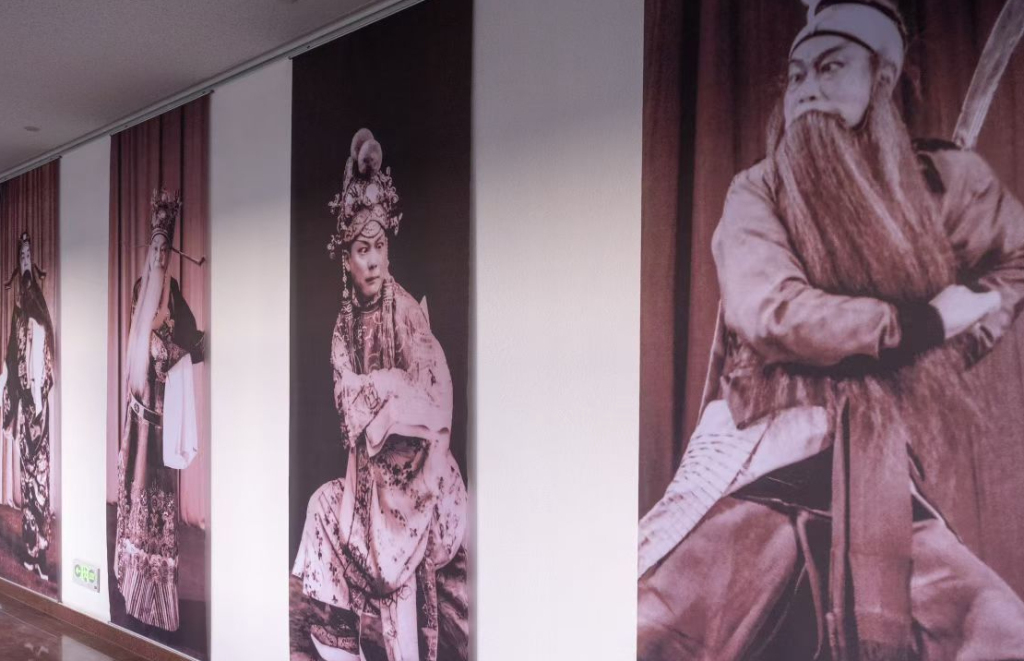
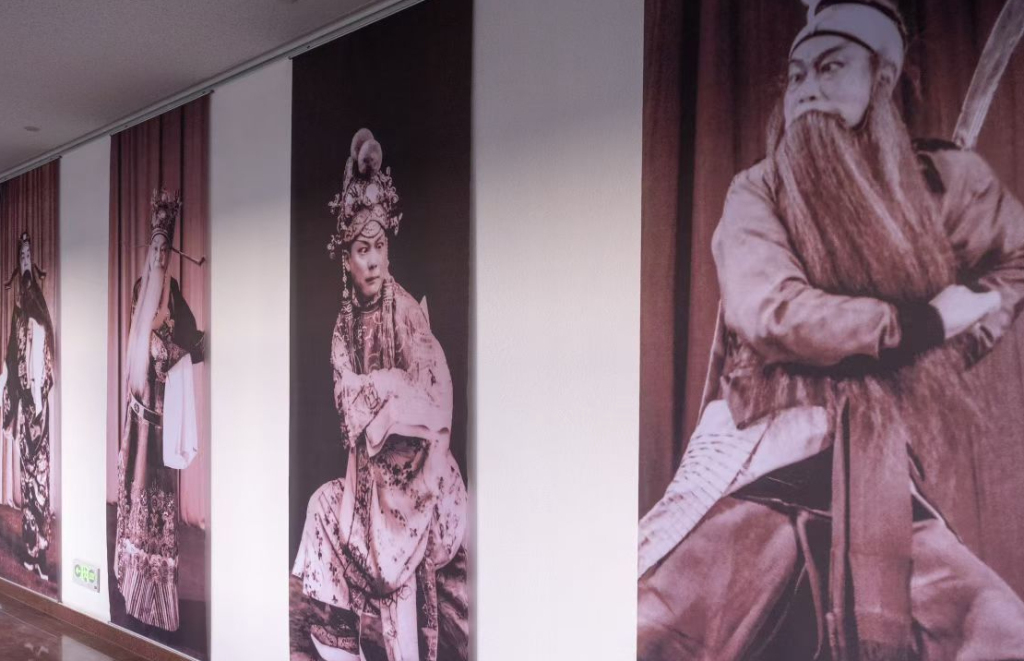
On a yellowed 1907 performance list of the Xiliancheng Troupe, Zhou Xinfang and Mei Lanfang's names are listed side by side. This is one of the earliest records of the two masters performing on the same stage, and it is also a rare and precious moment in the history of Peking Opera.
On December 2, the exhibition "Singing with the Times: Commemorating the 130th Anniversary of Zhou Xinfang's Birth," which includes this precious Chinese opera artifact, opened to the public at the National Museum of Classic Books. The exhibition features more than 200 precious exhibits, including 63 physical objects, 146 photographs, and 12 audio and video recordings, showcasing the artistic achievements and life journey of Zhou Xinfang, a renowned Peking Opera master, from multiple perspectives.
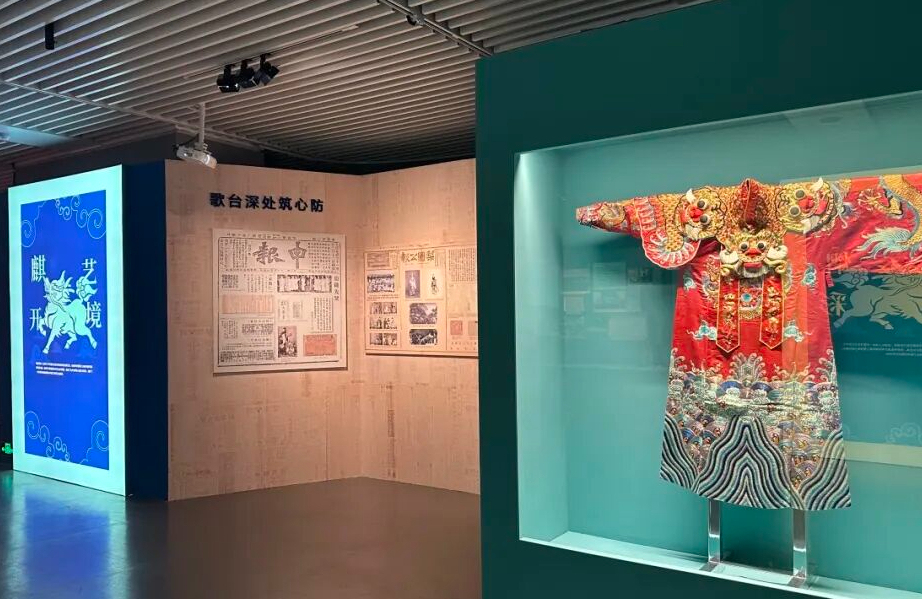
This exhibition, co-hosted by the Shanghai Municipal Administration of Culture and Tourism and the National Library of China (National Museum of Classic Books), unfolds Zhou Xinfang's artistic life in four parts: "Immersed in the Realm of Qilin," "Qilin Opens the Artistic Realm," "Qilin Shines Brightly," and "Qilin's Art Endures." Visitors can see historical documents such as yellowed early playbills and handwritten manuscripts, and can also use AI technology to bring old photos to life, or take photos with classic characters portrayed by Zhou Xinfang in the VR interactive area.
Exhibition site at the National Museum of Classic Books
Among the exhibited documents, perhaps the most valuable is the 1907 playbill from the Xiliancheng Opera Troupe at the Guanghe Teahouse in Beijing, which clearly shows Zhou Xinfang and Mei Lanfang performing together. This playbill, being exhibited for the first time, records an early moment of intersection in the artistic careers of these two Peking Opera masters.
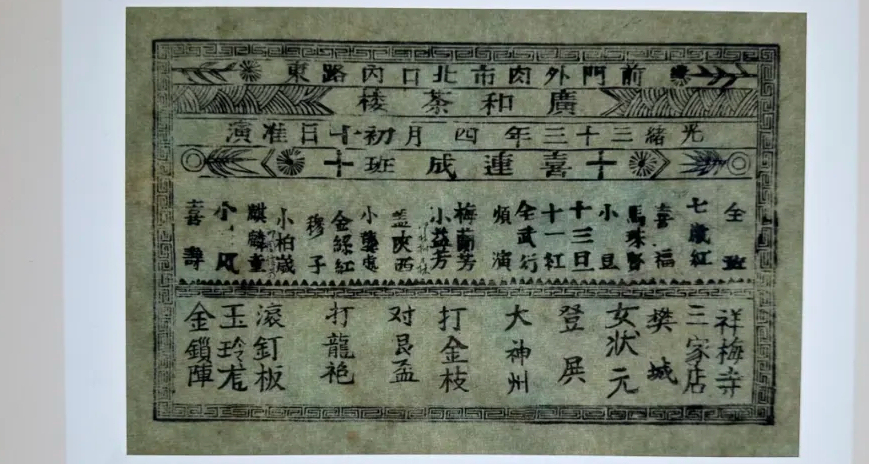
A performance script from the Xiliancheng troupe at the Guanghe Teahouse in Beijing, dated 1907. (Collection of Shanghai Library)
Zhou Xinfang's artistic journey began at the age of seven, when he made his stage debut in Hangzhou under the stage name "Seven-Year-Old Boy". At the age of thirteen, he entered the Xiliancheng Opera School and shared the stage with famous artists such as Mei Lanfang. Their collaborations on plays such as "Nine Watches of the Night" and "Battle of Puguan" caused box office surges.
In 1906, the Shenbao newspaper published an advertisement for him to perform a leading role under the stage name "Qilin Tong," marking the beginning of a new era.
In the exhibition hall, there is a handwritten copy of "Zhou Xinfang's Play List" from 1911, which is the earliest known manuscript by Zhou Xinfang. The characters are vigorous and neat, revealing the young artist's appreciation for and plans for his art.
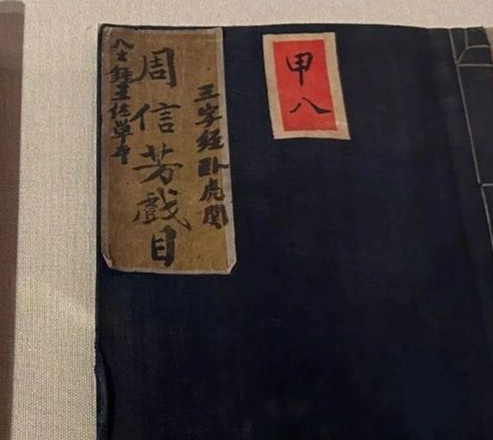
Zhou Xinfang's repertoire, collection of Shanghai Peking Opera Company
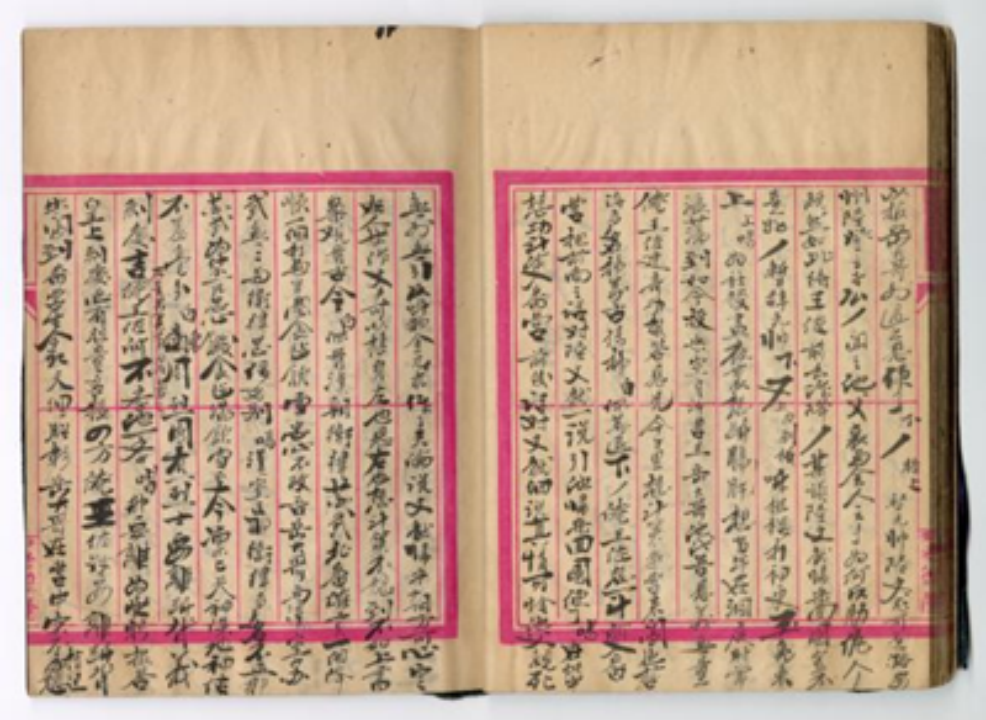
Zhou Xinfang's handwritten copy of "Zhou Xinfang's Play List" in 1911
This manuscript contains plays such as "The Three Character Classic", "The Evil Tiger Pass", "Running the City", and "The Eight Great Hammers", showcasing his wide range of early acting roles.
After experiencing a vocal cord change in his youth, his voice became hoarse, but he devoted himself to improving his vocal timbre. He combined the vocal techniques of Kunqu Opera's official male roles to create a unique, powerful, and vigorous vocal style, which opera fans described as "like an ancient tree."
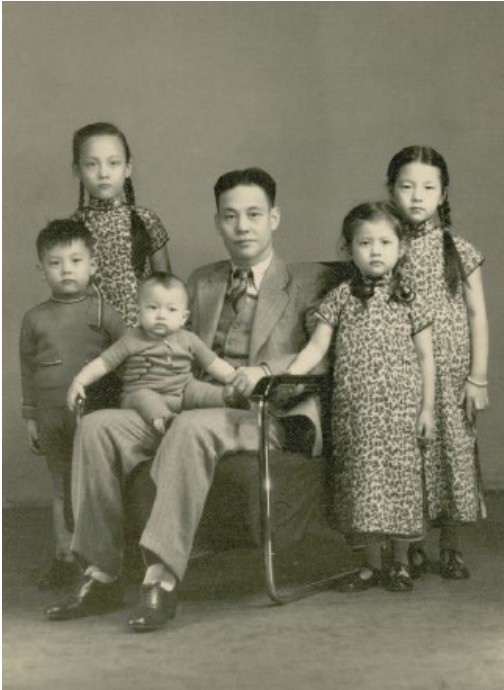
Zhou Xinfang and his family
The exhibition features an interesting detail from a May 4, 1922 performance at the Dan Gui First Stage: in "Xiao He Chases Han Xin," Zhou Xinfang plays Han Xin, not the later, more popular Xiao He. He didn't begin playing Xiao He until 1923. This transformation and deep cultivation of the role ultimately led to the iconic Qi School opera, where "everyone sings of Xiao He." He was the first artist to apply "director-style" techniques to the opera stage. Drawing inspiration from drama and film, Zhou Xinfang designed a "triple time-space" performance in "Xiao He Chases Han Xin Under the Moon," using body movements and lighting to reveal the character's psychological layers.
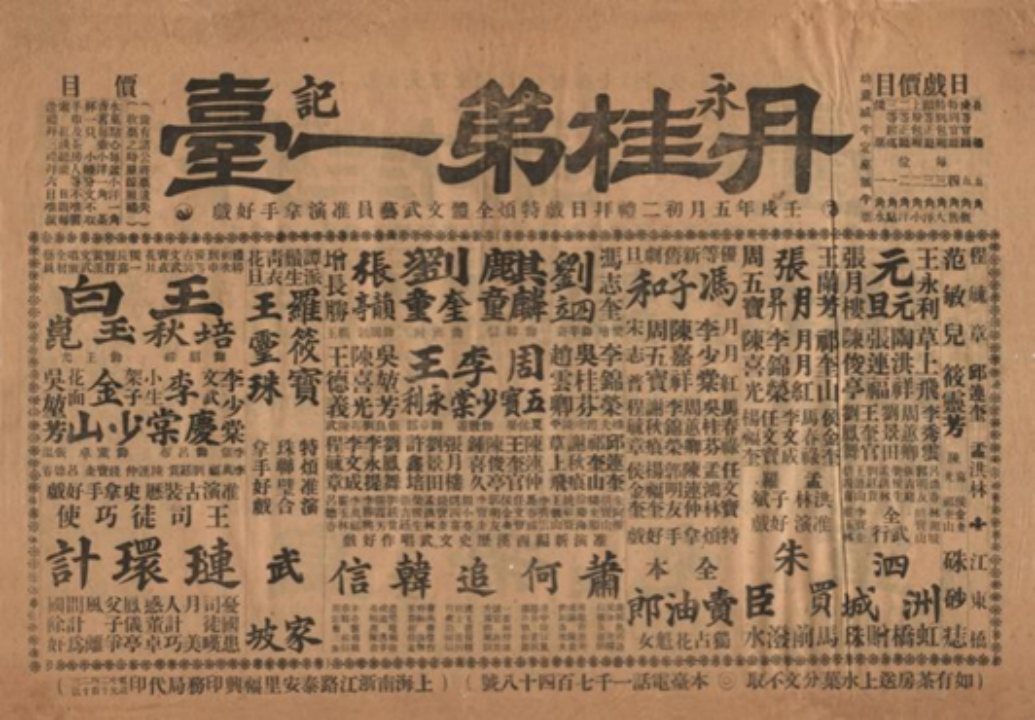
The first playbill of Dan Gui
The exhibited "Commemorative Album of the Years Born in the Year of Jiawu" records the patriotic group established in 1943 by twenty prominent figures in Shanghai born in the Jiawu year, including Zhou Xinfang, Mei Lanfang, and Wu Hufan. On their fiftieth birthdays, they encouraged each other and pledged their determination to resist Japanese aggression.
This commemorative album records twelve gatherings of the association over the next five years. At a time of national crisis, this group of cultural elites upheld national integrity in a unique way.
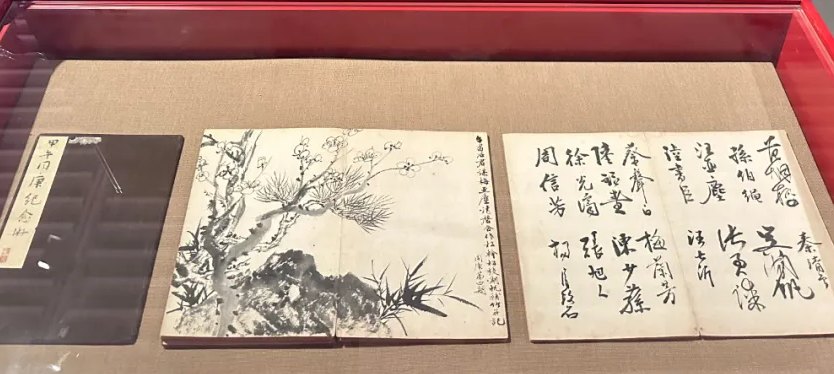
Commemorative Album of the Same Birth Year in the Year of Jiawu (1894-1895) - Collection of Shanghai Peking Opera Company
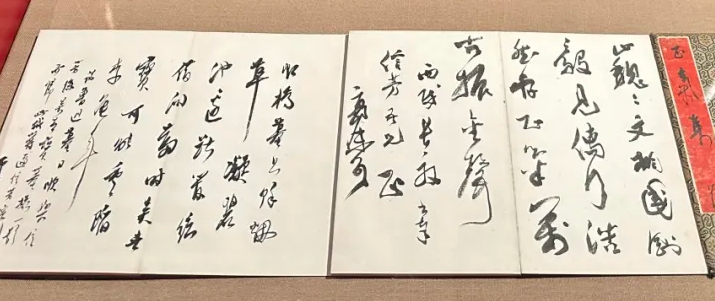
Collection of "The Collection of Righteousness" by the Shanghai Peking Opera Company
In the exhibition, the red costume worn by Zhou Xinfang in the Peking Opera "Wen Tianxiang" is particularly eye-catching. During the War of Resistance Against Japan, he used the stage as his battlefield, staging patriotic historical dramas such as "The Regret of the Late Ming Dynasty," "Emperors Huizong and Qinzong," and "Wen Tianxiang."
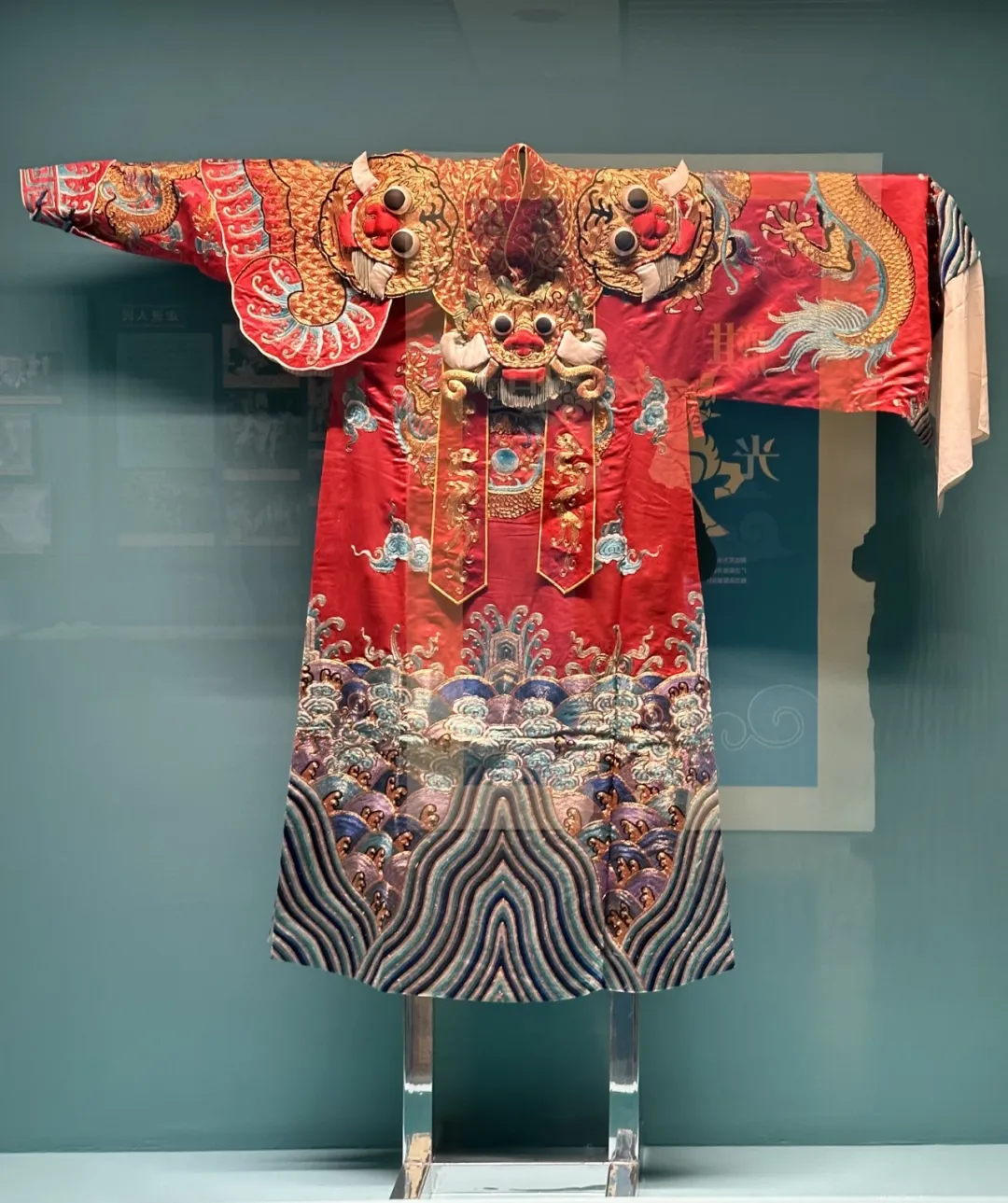
The costume worn by Zhou Xinfang in the Peking Opera "Wen Tianxiang" is now in the collection of the Shanghai Peking Opera Company.
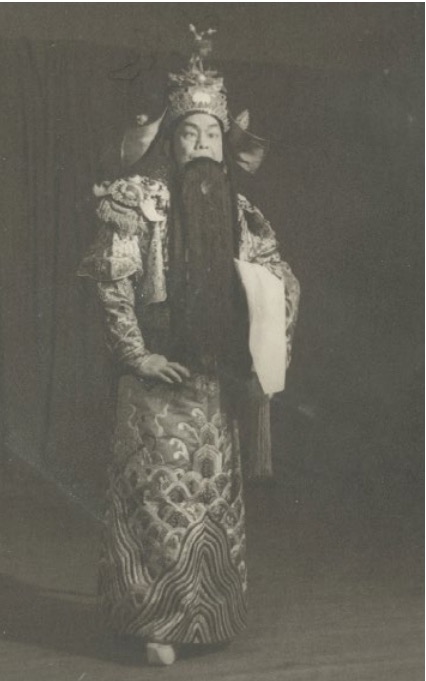
Zhou Xinfang's portrayal of Wen Tianxiang in the 1955 play.
When he shouted "The city lives or dies" on stage, the audience often had tears in their eyes.
On the exhibited manuscript of "Wen Suchen," Zhou Xinfang's revisions to the script are clearly visible. These revision records not only have extremely high historical value but also demonstrate his rigorous creative attitude.
Zhou Xinfang performed in more than 600 plays and created more than 700 roles throughout his life. This amazing creativity was inseparable from his love of reading.
To create the historical drama "The Treaty of Chanyuan", he conducted in-depth research on "The Biography of Kou Zhun" in the History of Song Dynasty, and brought the drinking details mentioned twice in the book to the stage, vividly presenting the character's personality.
The poster for the 1936 opera film "Zhan Jing Tang" marks a significant turning point in Zhou Xinfang's artistic career. This film, produced by Shanghai Hua'an Film Company, is the only visual record of his prime years.
Tian Han once commented on this film: "The silver light gave new life to the old stage." At the exhibition, visitors can enjoy a high-definition restored version of this precious film in a miniature screening room.
In the exhibition, characters from the classic Chinese opera "Investiture of the Gods" came to life through AI technology. This digital technology breathes new life into static historical images, filling gaps in people's imagination of history.
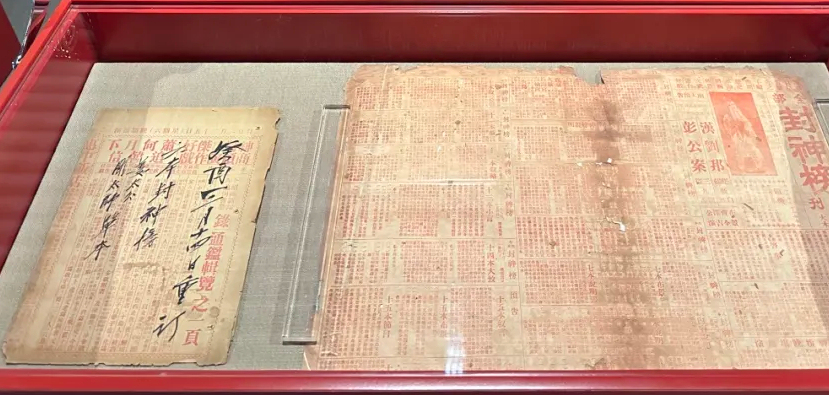
The serial opera "Investiture of the Gods" is in the collection of the Shanghai Peking Opera Company and the Shanghai Art Research Center.
It is reported that this exhibition, organized by the Shanghai Art Research Center, Shanghai Opera Art Center, Shanghai Peking Opera Company, and Zhou Xinfang Art Research Association, will be open to the public free of charge until January 4, 2026. During this period, several public lectures will also be held, with special guests including 94-year-old opera research expert Gong Hede and Qi School performing artist Chen Shaoyun, who will provide the audience with an in-depth interpretation of the unique charm of Qi School art.
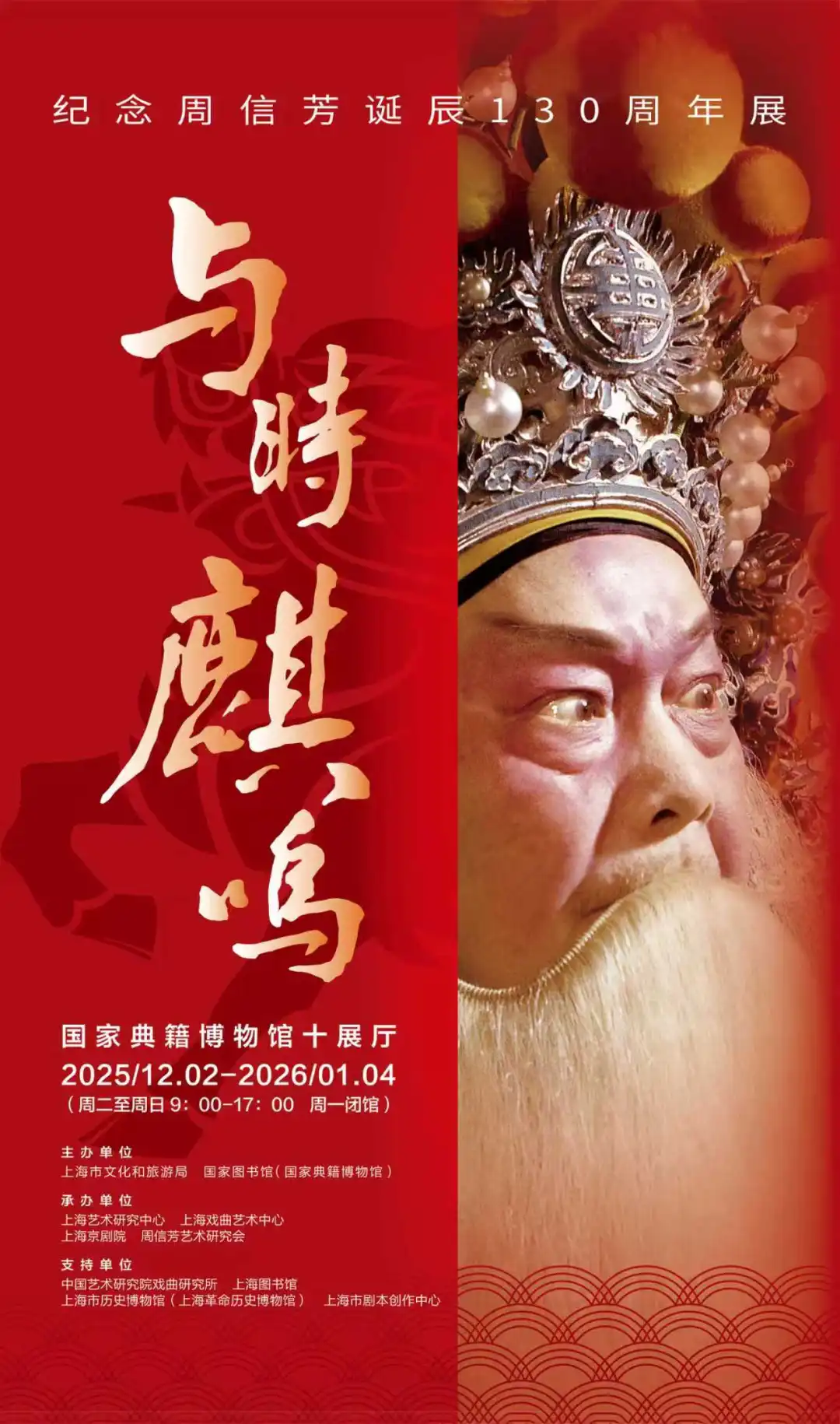
Exhibition Poster
(Some of the information and documents in this article are from the National Museum of Classic Books)