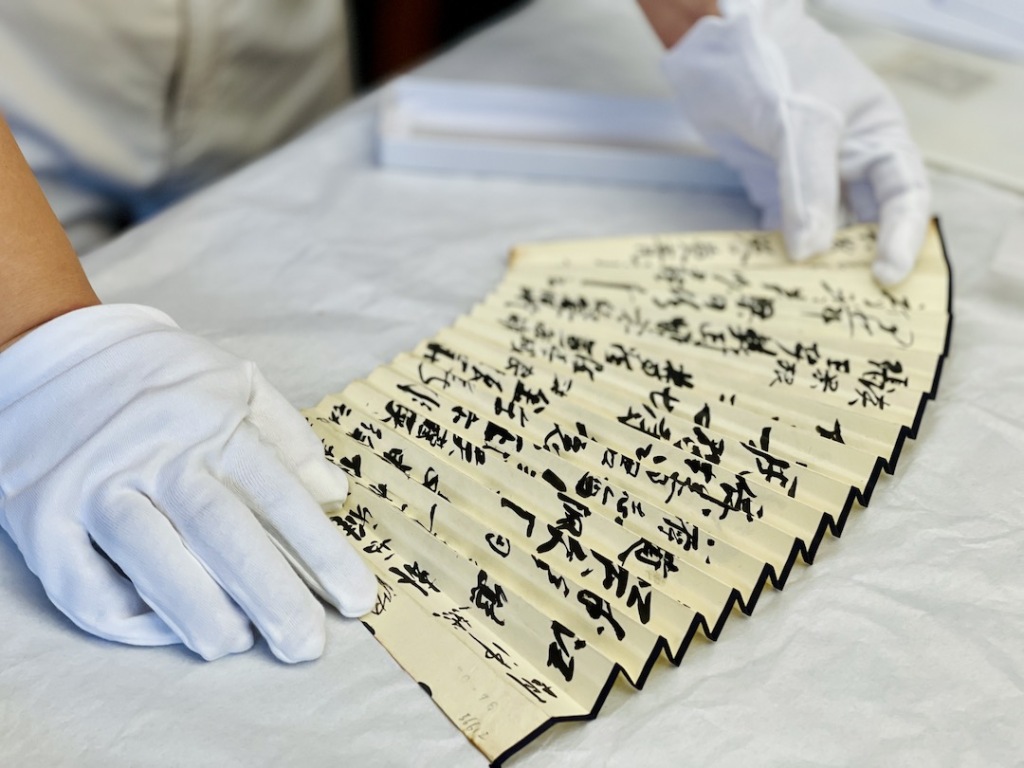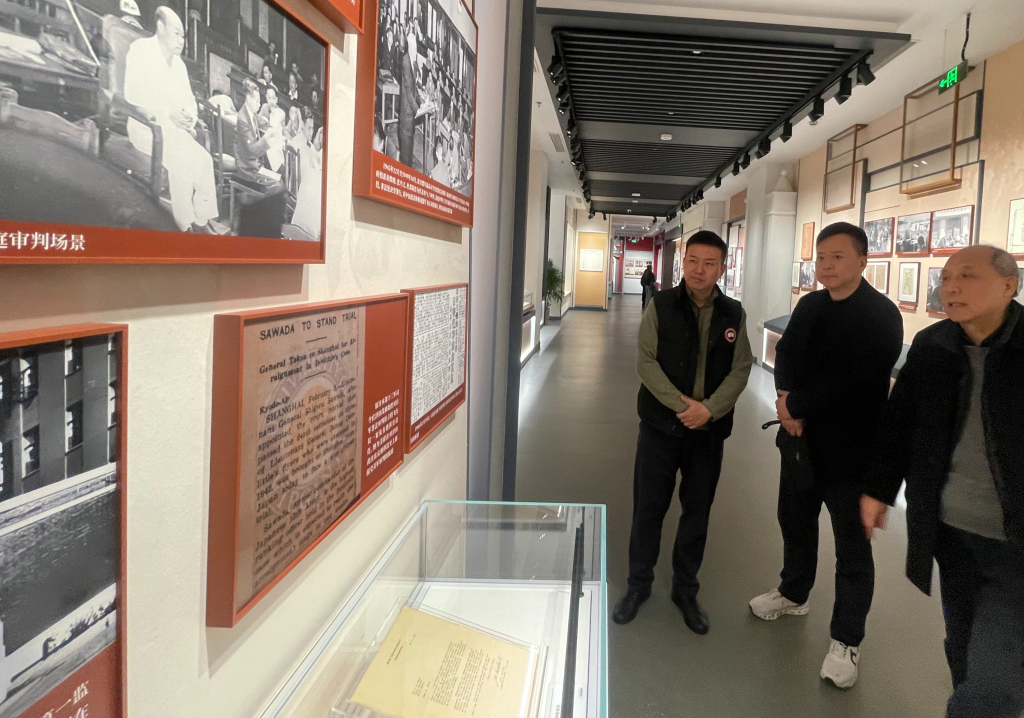
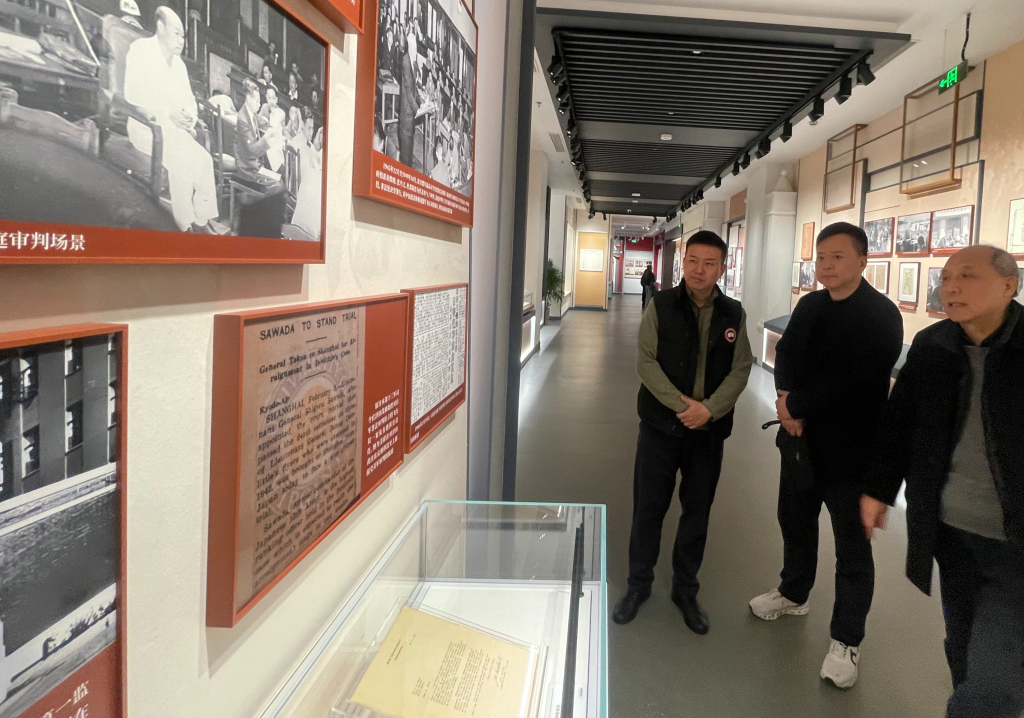
As a World War II hero in American aviation history, James Doolittle (1896-1993) is best remembered for his role in the first air raid on the Japanese mainland on April 18, 1942, just over four months after the attack on Pearl Harbor, in an effort to strike at the Japanese invaders. He successfully bombed Tokyo and other areas, and on his return flight, he made an emergency landing or parachuted into Zhejiang and Jiangxi provinces, where he was rescued by Chinese civilians.
These days, visitors to the Shanghai Songhu Anti-Japanese War Memorial Hall are quietly viewing a batch of precious artifacts closely related to the "Doolittle Raid," which have attracted the attention of visitors. These artifacts not only tell a thrilling war story but also reflect a historical lesson that spans more than eighty years: the friendship and cooperation forged between China and the United States in their joint fight against fascism has profound practical significance for safeguarding the fruits of victory in World War II and addressing international challenges today.
According to Kong Xiangjun, curator of the Shanghai Songhu Anti-Japanese War Memorial Hall, the precious Doolittle Raid artifacts currently on display in the hall were donated many years ago by Yan Ming, a well-known collector in Shanghai. These include handwritten letters and commendations from General Doolittle, President Roosevelt, and the Nationalist government regarding U.S. Air Force Lieutenant Donald Gregory Smith, as well as a handwritten letter from Chennault. Most importantly, this collection represents the only existing original documents in China closely related to the "Doolittle Raid," possessing immense historical value. Against the backdrop of the current complex international situation, the rise of right-wing forces in Japan, and the undercurrent of historical nihilism, their significant historical value and contemporary relevance are increasingly highlighted. In recent exhibition planning, they have presented these artifacts in a dedicated display to emphasize their immense contemporary significance.
Rare Doolittle artifacts on display at the Shanghai Songhu Anti-Japanese War Memorial Hall
Operation Doolittle Raid was a strategically significant military operation during World War II. On April 18, 1942, U.S. Army Air Corps Lieutenant Colonel Jimmy Doolittle led 16 bombers from the aircraft carrier USS Hornet, successfully raiding Japanese cities including Tokyo and Yokohama. This operation not only shattered the myth of Japan's security and greatly boosted the morale of the Allied forces, but also received full support from the Chinese military and civilians during its execution. After the operation, some of the crew members made an emergency landing in China, where they were rescued and sheltered by the Chinese people, becoming a vivid portrayal of the joint operations and shared fate between the U.S. and American military and civilians.
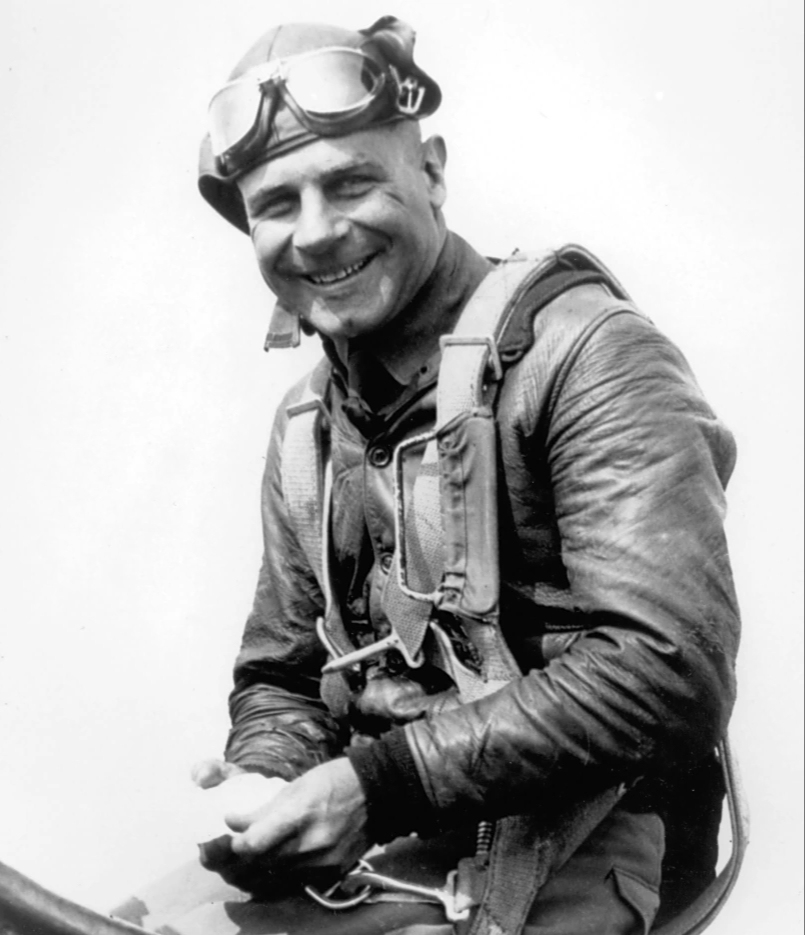
Jimmy Doolittle during World War II
The protagonist of the Doolittle Raid's handwritten letter, Donald Gregory Smith, was a U.S. Air Force pilot who participated in the operation. As a pilot of the Doolittle Raid Crew 15, he and his comrades flew their bombers, evading Japanese reconnaissance, and successfully completed the bombing raids on Japan. On the return flight, they ran out of fuel and made an emergency landing in Chinese waters, where they were rescued by local residents and other forces. The letter, written by Doolittle to Smith's father, informed him that his son had returned safely after completing the raids on Japan, had received the Flying Cross for his bravery, and had been awarded a commendation from the Chinese government. The letter also expressed Doolittle's pride and expectations in working with Smith. Smith later arrived in Chongqing and received the "Army, Navy, and Air Force Medal and Certificate" from the Nationalist government, which is the second donated artifact. After a short rest, Smith was transferred to the European theater, but tragically died in the line of duty that November. The third precious artifact is a commemorative document signed by U.S. President Roosevelt, used to remember Captain Smith's heroic deeds of sacrificing his life for his country while serving overseas.
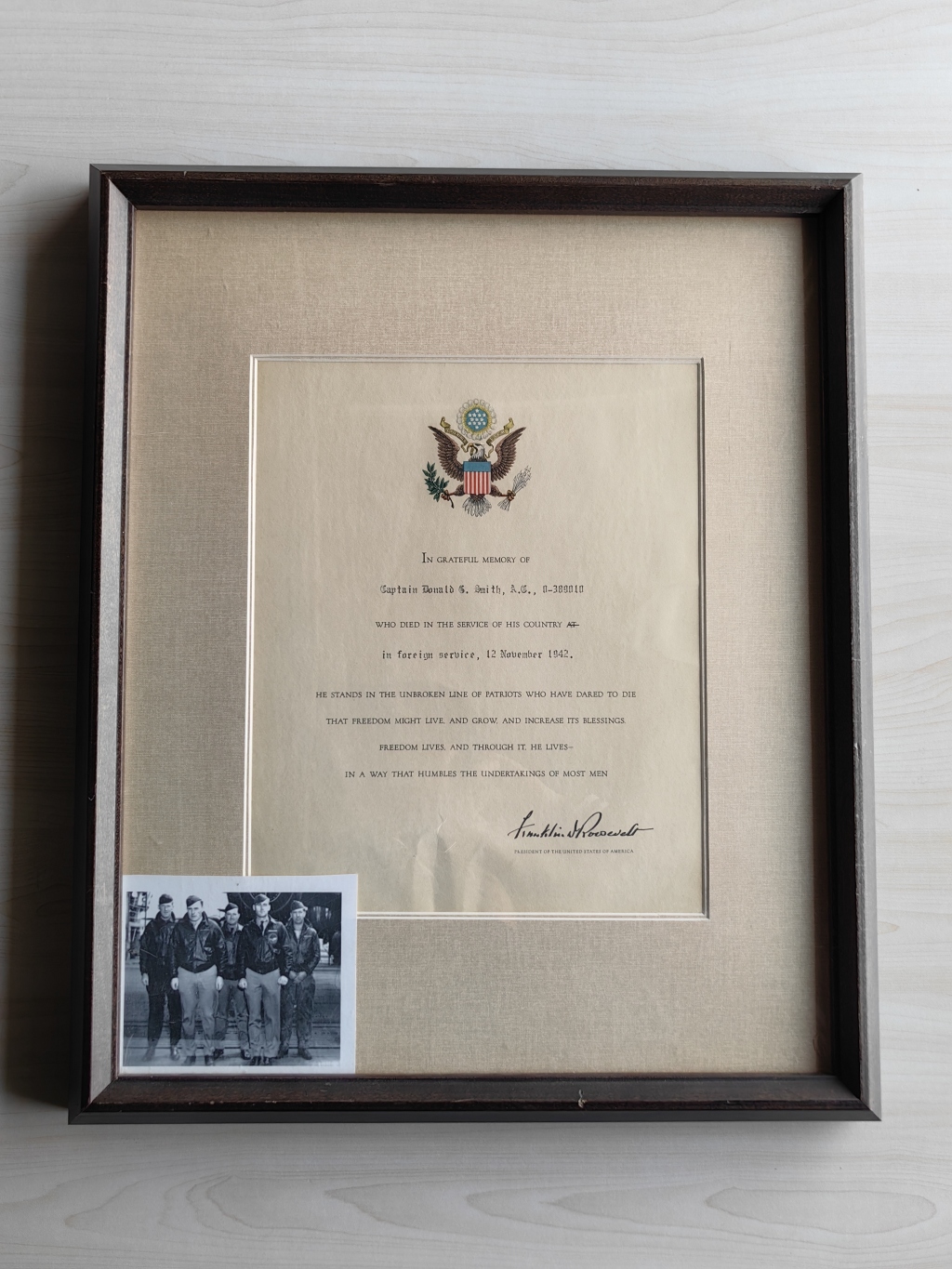
A commemorative document signed by U.S. President Roosevelt during World War II to remember Captain Smith's heroic deeds of sacrificing his life for his country while serving overseas.
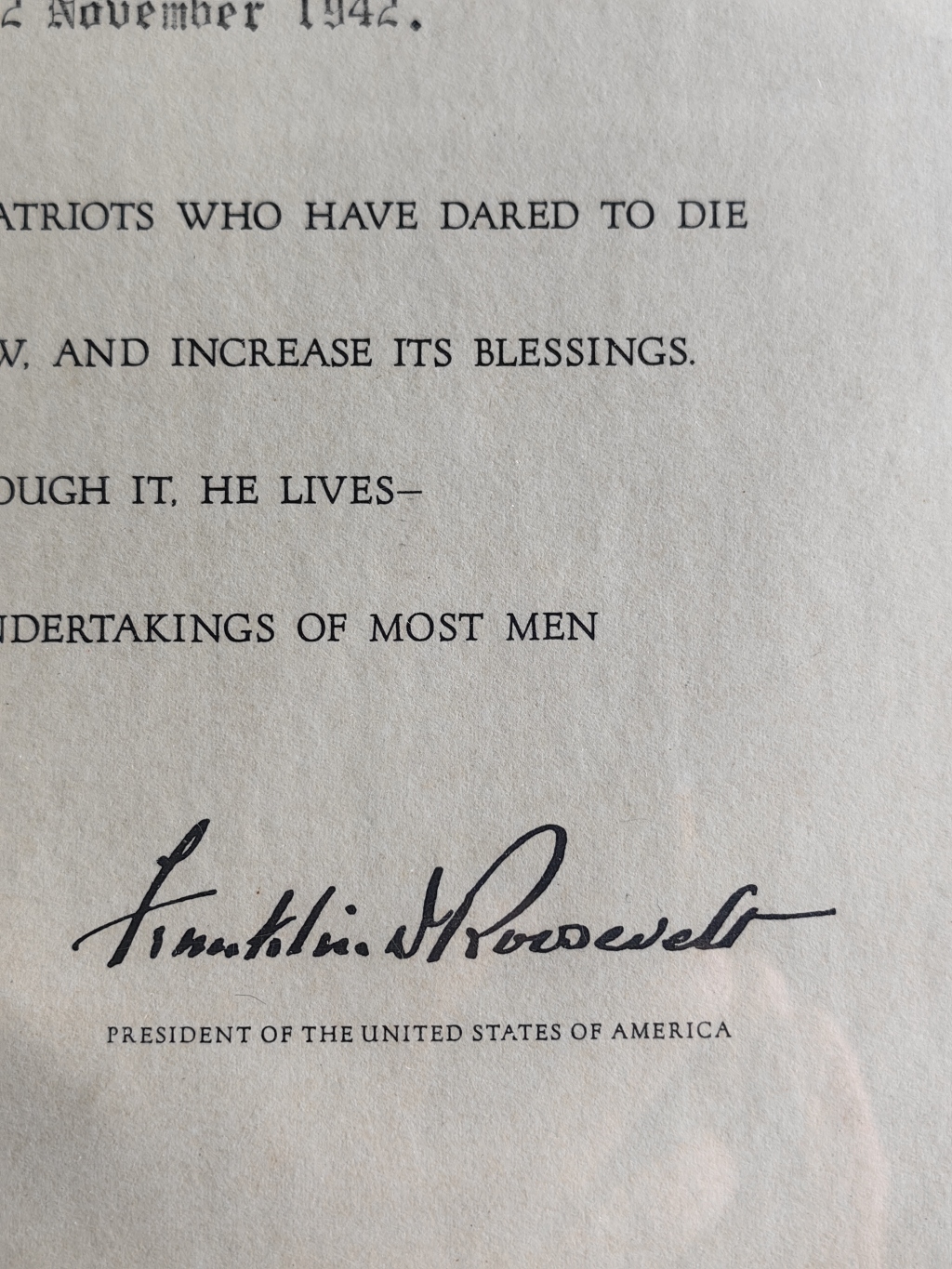
Roosevelt's signature
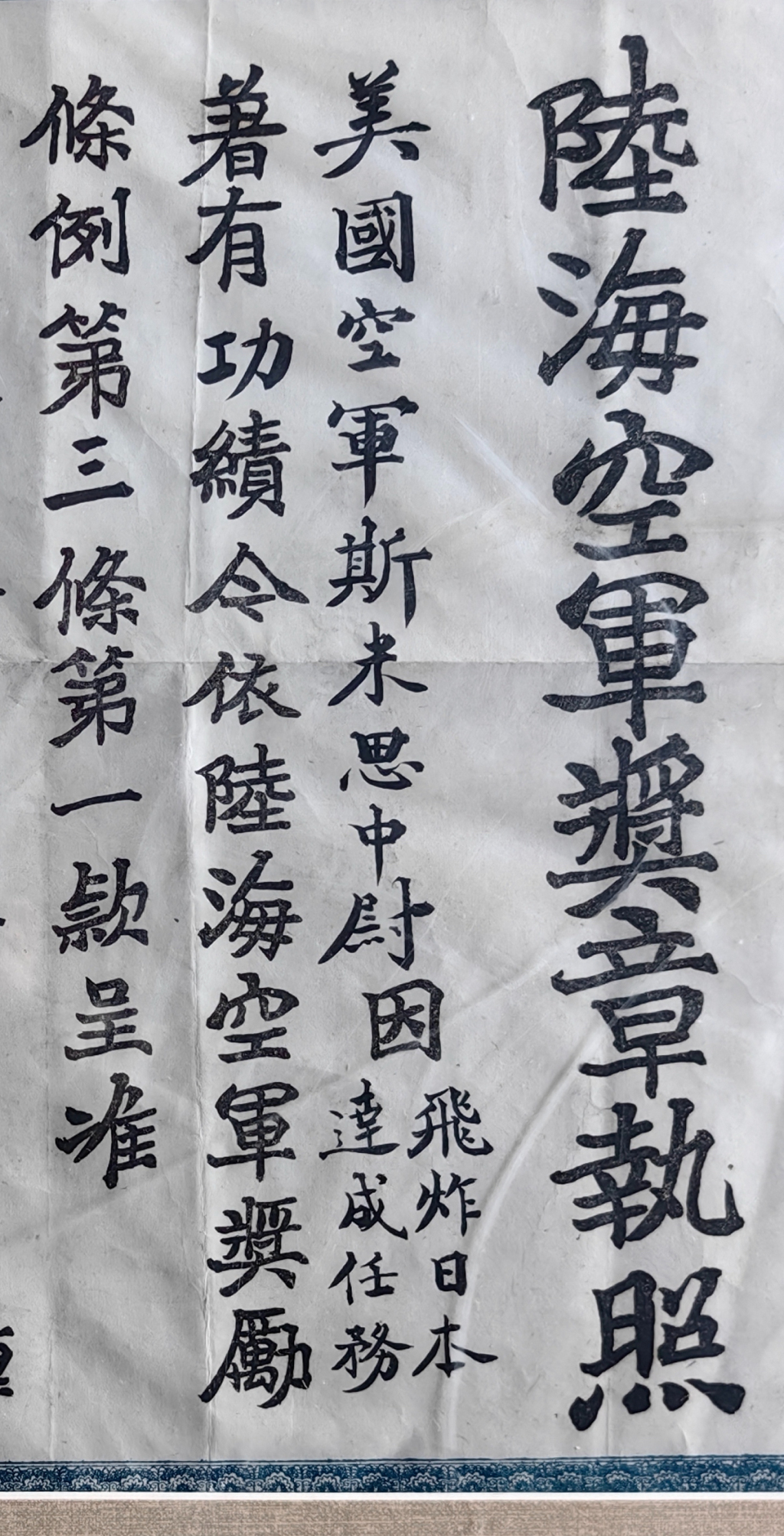
A partial view of the Army, Navy, and Air Force medals awarded to Smith by the Nationalist government at the time for "Bombing Japan, Mission Accomplished".
Following the Doolittle Raid, Quzhou Airport in western Zhejiang, China, was originally the designated landing site. However, due to the operation being carried out ahead of schedule and communication breakdowns between the US and China, the 75 crew members of 15 aircraft ultimately forced landings or parachuted in Zhejiang, Jiangxi, Anhui, and Fujian provinces. Chinese villagers risked their lives to search for and rescue the pilots, providing them with food and lodging and shelter from Japanese capture. Ultimately, 64 American pilots escaped safely thanks to the all-out efforts of the Chinese military and civilians. 51 of them first gathered in Quzhou, rested, and then evacuated to Chongqing in batches. The success of the Doolittle Raid enraged the Japanese military. To retaliate against the Chinese military and civilians' rescue efforts and to destroy the Zhejiang airfields that might be used by the Allies, the Japanese launched the "Zhejiang-Jiangxi Campaign" in May 1942. During the campaign, the infamous Unit 731 was deployed, releasing large-scale bacteriological weapons such as plague and cholera in Quzhou, Jinhua, and other locations, and also using chemical weapons, carrying out a brutal reprisal against China. Historical records indicate that the battle resulted in the deaths of approximately 250,000 Chinese civilians, but the Chinese people never yielded.
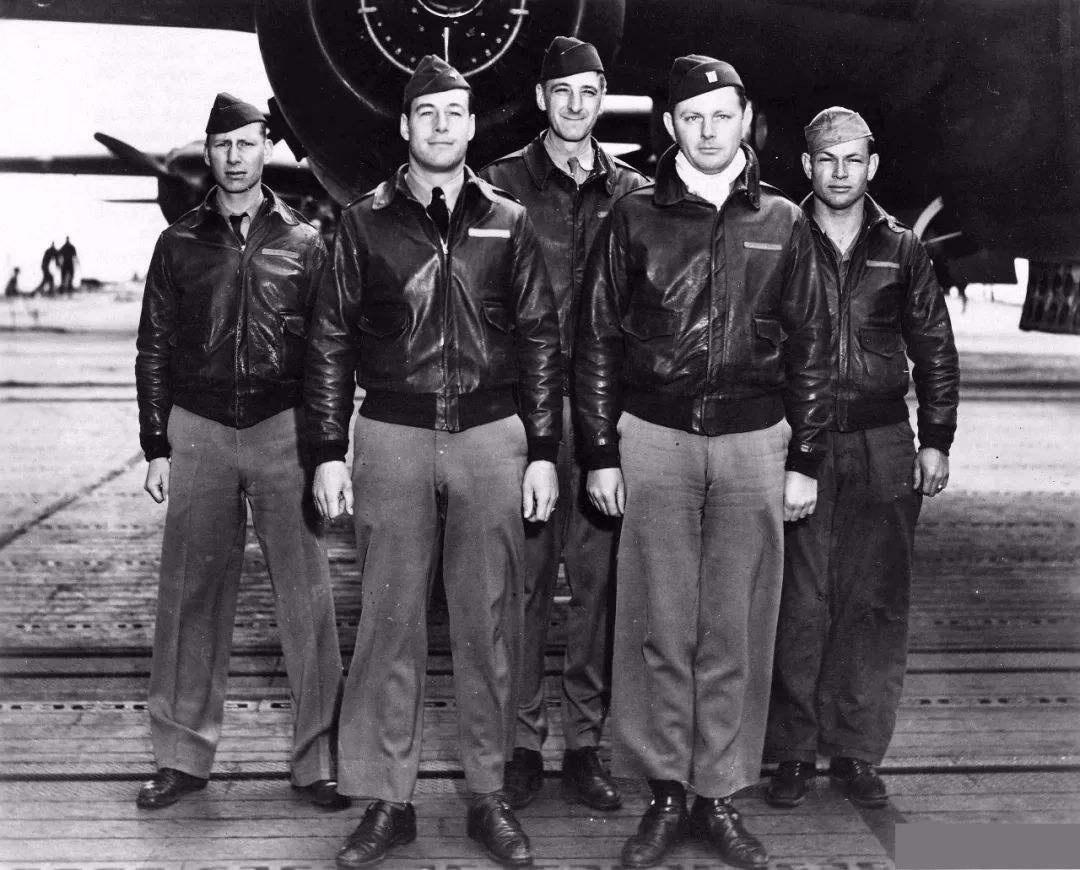
U.S. Air Force pilots who participated in Operation Doolittle
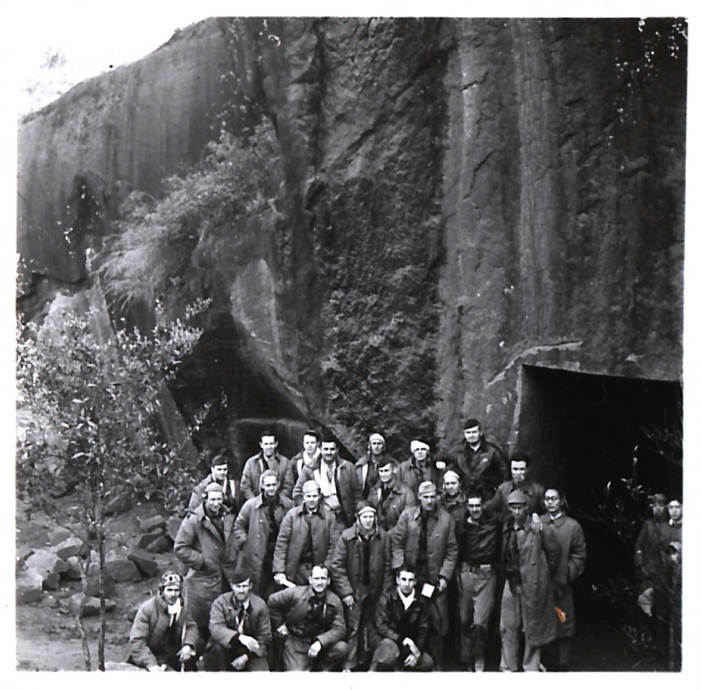
In 1942, rescued American pilots who had been returning to China after bombing Japan were gathered at the 13th Air Force Base in Wangcun, Quzhou.
Behind the rescue of 64 American pilots lies the heavy price of 250,000 lives. This stark contrast makes the underlying tone of this friendship all the more profound and tragic.
The artifacts in the Shanghai Songhu Anti-Japanese War Memorial Hall are the only existing original collections in China closely related to Operation Doolittle, possessing unparalleled historical value. The Doolittle Operation memorial exhibition at the Museum of the War of Chinese People's Resistance Against Japanese Aggression, located near Lugou Bridge, displays two photographs: one of Doolittle and his five crew members in Lin'an. The donated artifacts in Shanghai relate to the Tokyo bombings, the Quzhou battlefield, and the rescue of American pilots by Chinese soldiers and civilians. They represent the only set of physical materials in China reflecting this history, allowing visitors to directly experience historical details and witness the camaraderie between the Chinese and American people during the war. This collection holds immense contemporary relevance.
Jimmy Doolittle was born on December 14, 1896. As the 119th anniversary of his birth approaches, Yan Ming, a donor and collector of Doolittle's precious artifacts, recently visited the Shanghai Songhu Anti-Japanese War Memorial Hall to revisit the valuable Doolittle artifacts he donated with the hall's research experts. As the collector and donor of these rare World War II artifacts, collector Yan Ming believes that the greatest value of these artifacts lies in serving national memory and the narrative of the times. Bringing these artifacts, which carry special historical significance, to life allows the public to deeply remember the enormous sacrifices made by the Chinese people in the anti-fascist war, clearly demonstrates the valuable support given by international allies, and serves as a powerful counterattack against the distortion of historical facts by Japanese right-wing forces. It also allows the people of China and the United States to cherish even more the friendship forged during a time of crisis for human civilization.
“I usually pay close attention to artifacts from World War II. Some of these artifacts I bought from auction houses, and others from the descendants of those involved in the war in the United States. If these artifacts are in private collections, their impact is limited. Only by making them public through public institutions can their value be fully realized,” Yan Ming said.
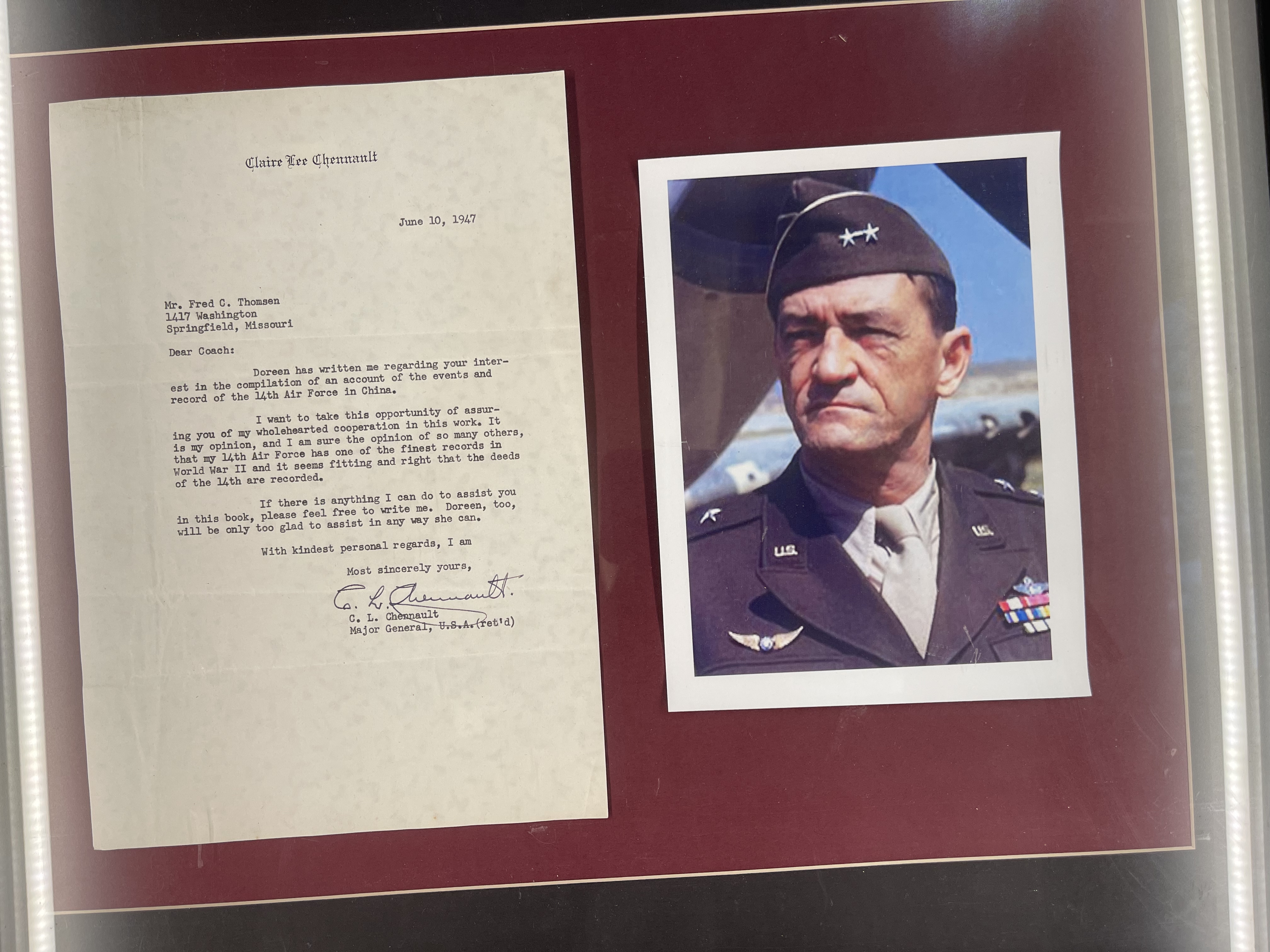
The documents of General Chennault on display at the Songhu Anti-Japanese War Memorial Hall were donated by collector Yan Ming.
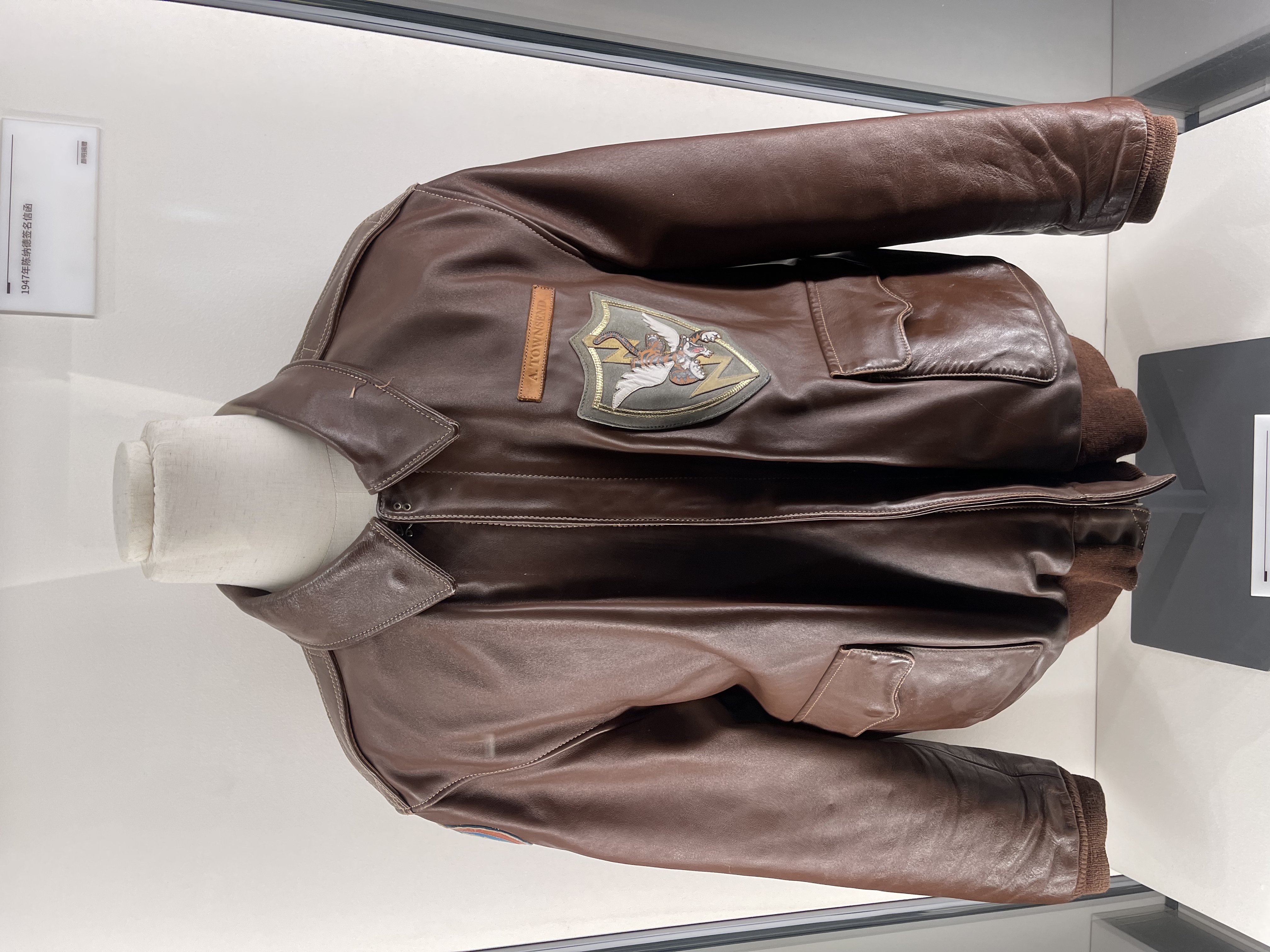
The leather jacket worn by General Chennault, exhibited at the Songhu Anti-Japanese War Memorial Hall, was donated by collector Yan Ming.
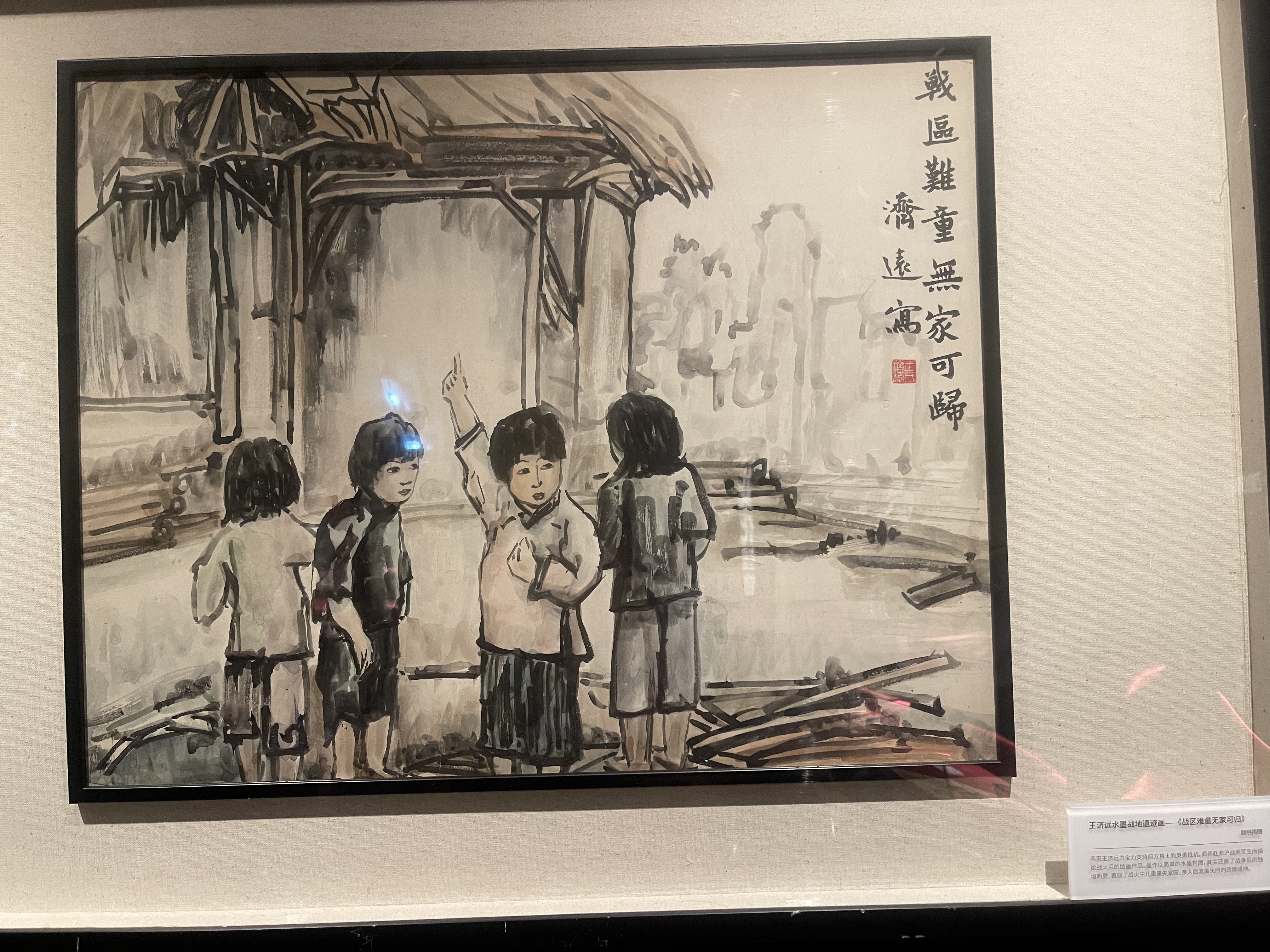
The painting "Homeless Children in the War Zone" by Wang Jiyuan, exhibited at the Songhu Anti-Japanese War Memorial Hall, was donated by collector Yan Ming.
After visiting the collection of cultural relics, Wu Zhilin, former president of the Shanghai Newspaper Association and former Party Secretary of Xinmin Evening News, and Chen Maiqing, a scholar of historical documents and editor at Fudan University Press, believed that for historical research, both documentary materials and cultural relics are indispensable basic historical sources. Among them, these anti-Japanese war relics have attracted much attention due to their visual appeal and rarity. Collectors donating their private collections to public institutions allows these precious relics to be better preserved, displayed, and utilized. This not only maximizes the value of the relics but also benefits academic research and cultural relic enthusiasts. Chen Maiqing has long been concerned with and has compiled anti-Japanese war historical materials. He also donated a set of six volumes of anti-Japanese war historical documents, "History That Should Not Be Forgotten: A True Record of the War of Resistance," which he co-edited 26 years ago, to the Songhu Anti-Japanese War Memorial Hall. The set includes "A Bloody History of Defending the Country" (Vols. 1, 2, and 3), "A Painful History of the Fall" (Vols. 1 and 2), and "A Ugly History of Traitors," contributing to enriching the museum's collection of anti-Japanese war historical materials.
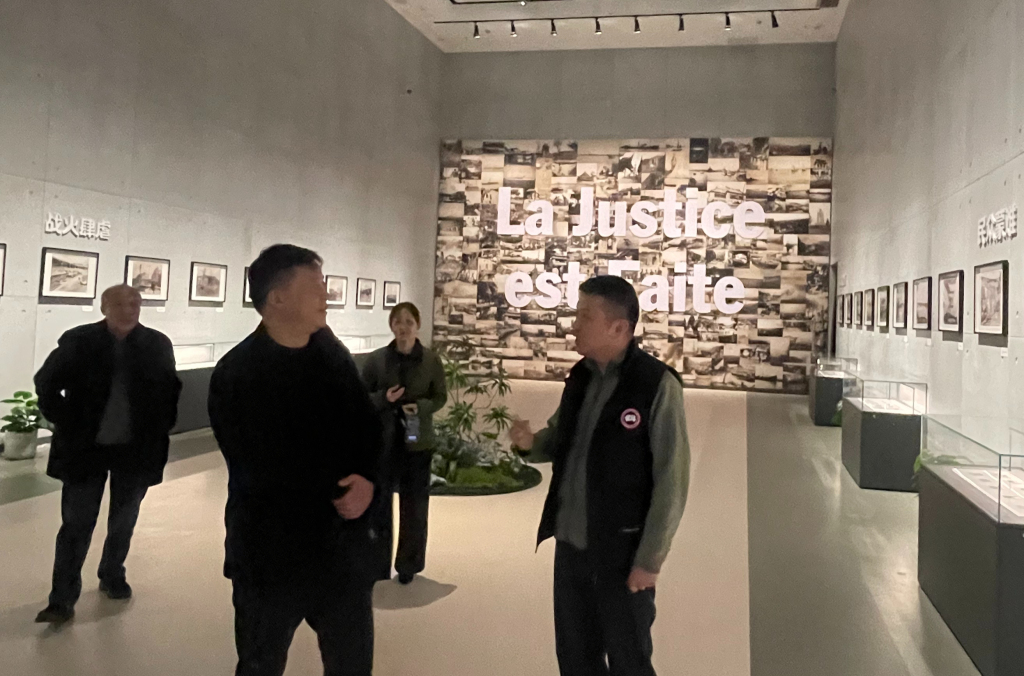
The "Justice Shines Brightly on the Road: Post-War Trials and World Peace" exhibition at the Shanghai Songhu Anti-Japanese War Memorial Hall.
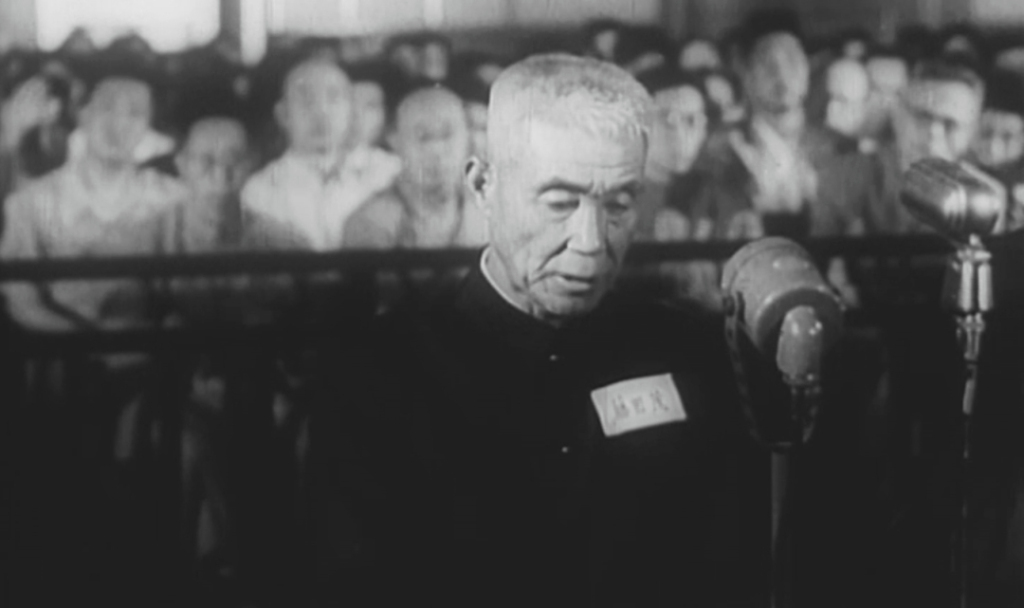
Photos of Japanese war criminals being tried in the "Post-War Trials and World Peace" exhibition
Kong Xiangjun explained that the Shanghai Songhu Anti-Japanese War Memorial Hall exhibits not only historical artifacts related to the Songhu Anti-Japanese War, but also presents important artifacts and documents related to the war from a broad perspective. Recently, the Shanghai Songhu Anti-Japanese War Memorial Hall, in conjunction with the Institute for War Trials and World Peace of Shanghai Jiao Tong University and the Shanghai Research Association for the War of Resistance Against Japan and the World Anti-Fascist War, jointly hosted the "Justice Shines Brightly on the Road – Post-War Trials and World Peace Themed Exhibition," which is also the largest thematic exhibition on post-war trials in China. Through three main parts—"Defending Aggression," "Defending Justice," and "Safeguarding Peace"—nearly 400 historical photos, 178 sets of 481 artifacts and historical videos, and immersive interactive scenes, the exhibition vividly presents the historical process of the trials after World War II, profoundly interpreting the historical significance and contemporary value of the post-war trials. The exhibition also displays a series of high-definition historical photos of the 1956 trial of Japanese war criminals, provided by the Supreme People's Court.